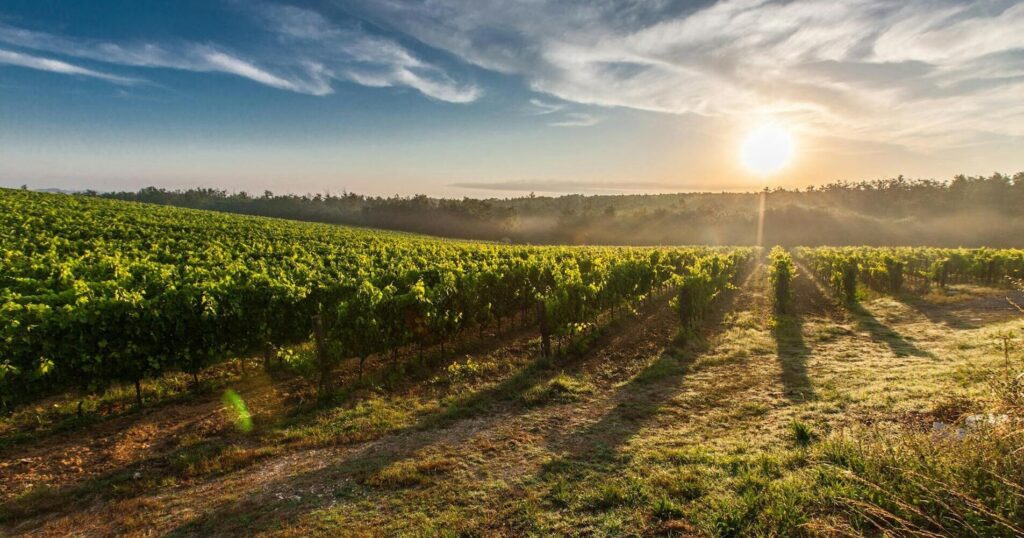
At the heart of the Champagne region, the town of Epernay reveals itself as a gem of art, history, and nature. Between museums, châteaux, gardens, and historic landmarks, Epernay offers a rich array of discoveries for heritage enthusiasts.
The beating heart of heritage: Château Perrier and its Museum
Château Perrier, a former private mansion built between 1852 and 1857 for the Perrier-Jouët family, is a magnificent Louis XIII-style building. It reflects the expansion of Champagne in the 19th century. Since 2021, the château has housed the Museum of Champagne Wine and Regional Archaeology. It brings together an exceptional collection retracing the history of the vine, the production of Champagne wine, and regional archaeology from the Palaeolithic to the Middle Ages. The museum offers a unique insight into the terroir, winemaking traditions, and the ancient past of the region.
The ionic avenue: Avenue de Champagne and its mansions
Among the must-sees, the Avenue de Champagne holds a central place. Listed as a UNESCO World Heritage Site as part of the “Champagne Hillsides, Houses and Cellars”, it brings together prestigious Champagne houses, their underground cellars, and elegant architecture. A stroll along the avenue — lined with historic mansions, grand residences, and cellars — is a vivid reminder of Epernay’s viticultural and cultural influence. Many of the great houses offer guided tours, ideal for understanding the connection between wine, terroir, and built heritage.
Châteaux in the surrounding area: grand estates and architecture
Beyond Epernay, several châteaux are well worth the detour. The region’s heritage extends far beyond the town itself: estates such as Château de Louvois or Château de Villers-aux-Bois bear witness to the area’s noble history. These châteaux, often surrounded by vineyards or landscaped parks, offer a tangible link between history, the countryside, and Champagne viticulture.
Gardens and green spaces: a moment of calm in nature
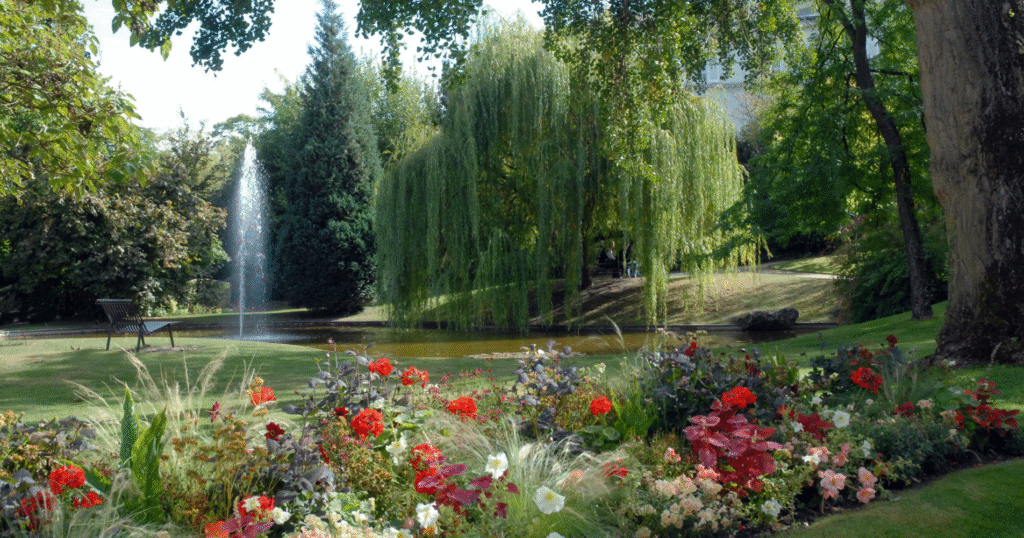
For a peaceful interlude, Epernay’s gardens provide a perfect blend of nature and heritage. The park of Château Perrier — redesigned during the museum’s renovation — is open to the public and offers a green haven in the town centre. Additionally, the garden of the Town Hall (formerly a private mansion) is labelled a “Remarkable Garden”. Featuring ponds, grottos, and small artificial islands, it offers a serene setting for a stroll.
Historic monuments and urban heritage
Epernay is not defined by wine alone. Among its landmark monuments is the Portail Saint-Martin, a remnant of a former church built in 1540. It is one of the rare surviving examples of early religious architecture in the town. The Church of Notre-Dame d’Epernay, built between 1898 and 1915 in a Romano-Gothic style, showcases late religious architecture. It houses a listed organ and remarkable stained-glass windows.
Why visit Epernay?
Epernay elegantly combines the luxury of Champagne, rich architectural heritage, charming gardens, and a profound sense of history. Whether one is interested in wine, architecture, history, or simply nature, this destination offers a rare balance. To visit Epernay is to immerse oneself in the soul of Champagne — from centuries-old cellars and aristocratic châteaux to cultural museums and welcoming green spaces.
Similar items

Why choose a Luxury Hotel over an Airbnb?
Visiting the Avenue de Champagne: What to See and Do