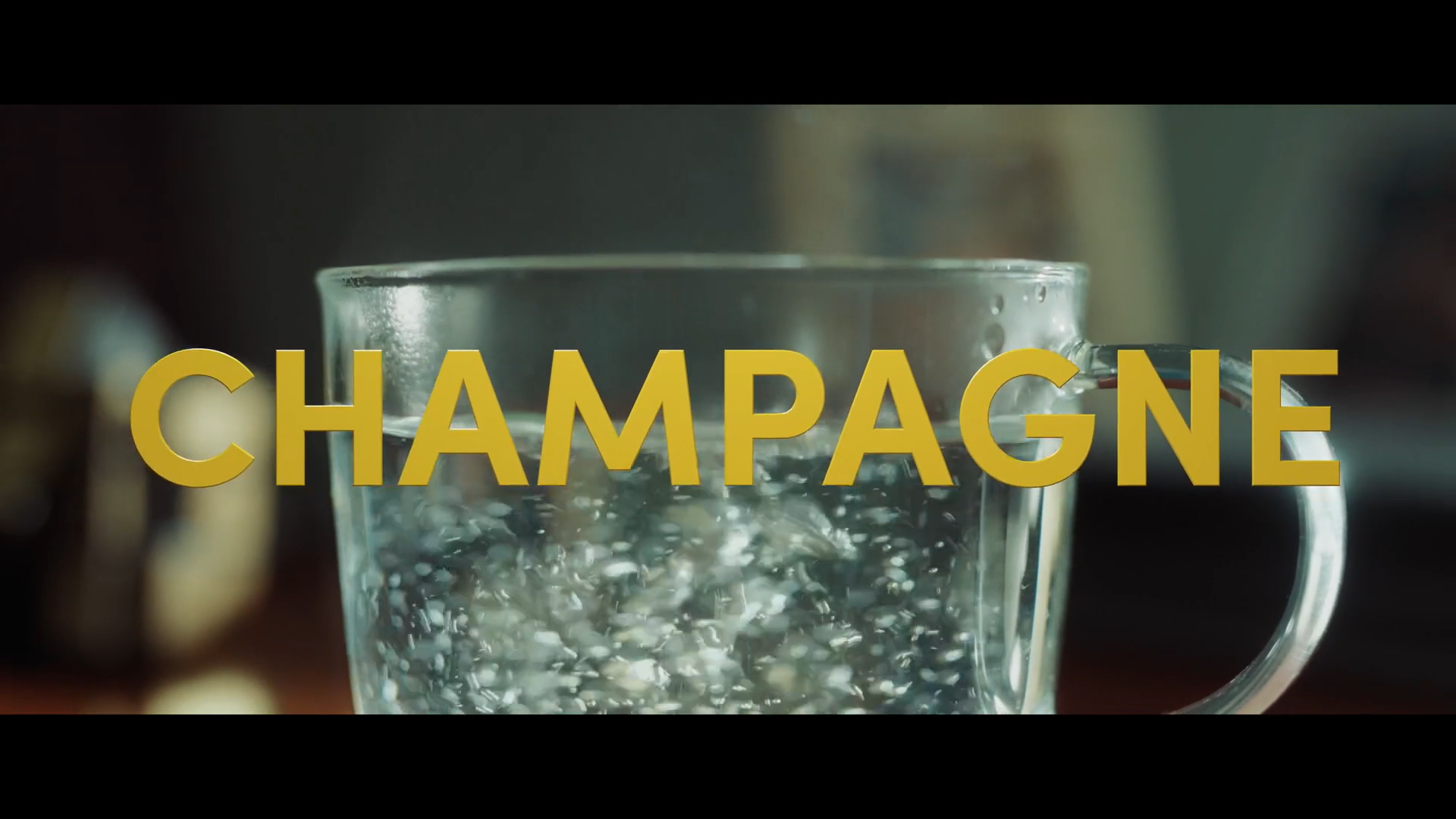
On 19 March 2026, Dutch cinemas welcomed Champagne, an intimate ninety-minute drama. In it: Maarten, a hurried man in his forties, accompanies his ailing father across the Champagne hillsides. Tenderness, long restrained, surfaces between two complicit silences. The Villa Eugène, a historic jewel of Épernay, lends its architecture to the story. The hotel becomes almost a character, as every moulding, every step contributes to the emotion.
Production : Tim KAMPS et Leo ALKEMDAE
Key roles : Leo ALKEMADE, Huub STAPEL, Jennifer HOFFMAN, Beppie MELISEN
The film Champagne: an intimate and universal narrative
A story of transmission and family bond
Maarten seeks to rekindle the light of his father’s memories. As the journey unfolds, the duo share anecdotes and smiles. Gradually, the emotional distance diminishes, while trust is reborn. Illness, without ever tipping into pathos, gives each minute a precious flavour.
A duo of actors in the service of emotion
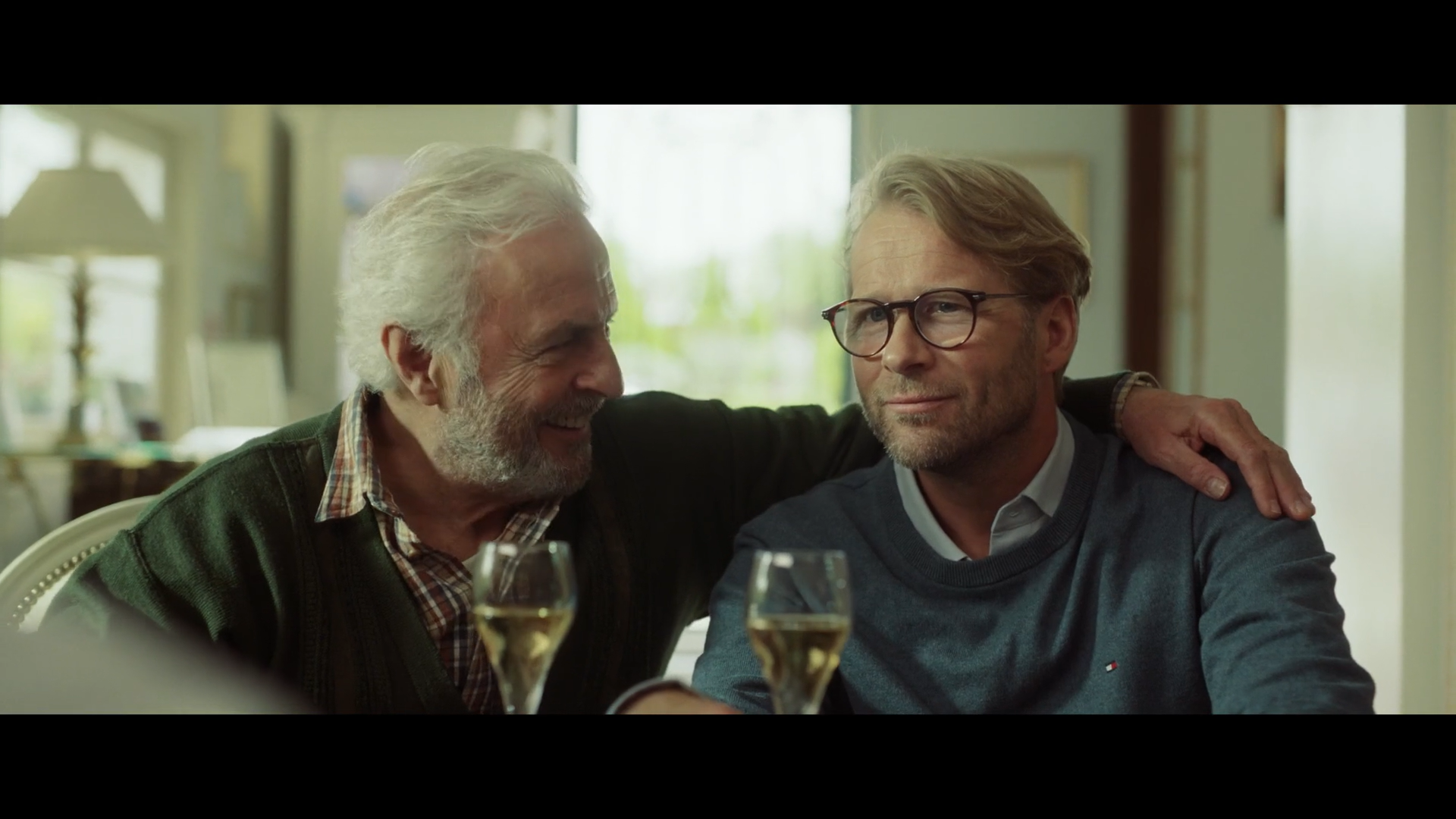
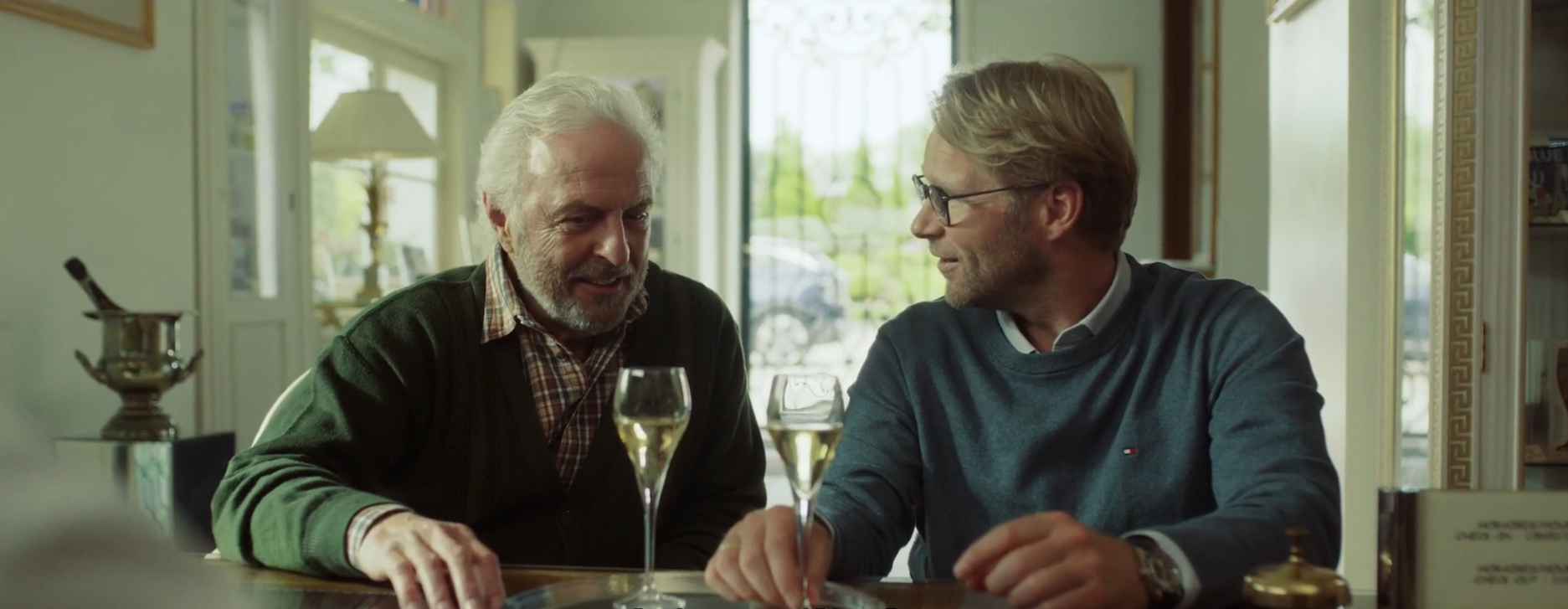
Leo Alkemade embodies the son’s restrained energy. Huub Stapel, for his part, inhabits the father’s serenity. Their gaze, often more eloquent than extended dialogue, allows the viewer to touch the fragility of the moment. The light shooting setup permits a sensitive proximity. The camera thus captures the tremor of a smile or the glimmer of concern that crosses a face.
Direction as close to reality as possible
The direction favours natural light, creating a warm atmosphere. Static shots and moving sequences alternate, maintaining an organic rhythm. This aesthetic adheres to the subject: capturing the moment before it fades. The principal setting, authentic, anchors the narrative in a tangible everyday reality.
Champagne as a living backdrop to the film
A region at the heart of the story
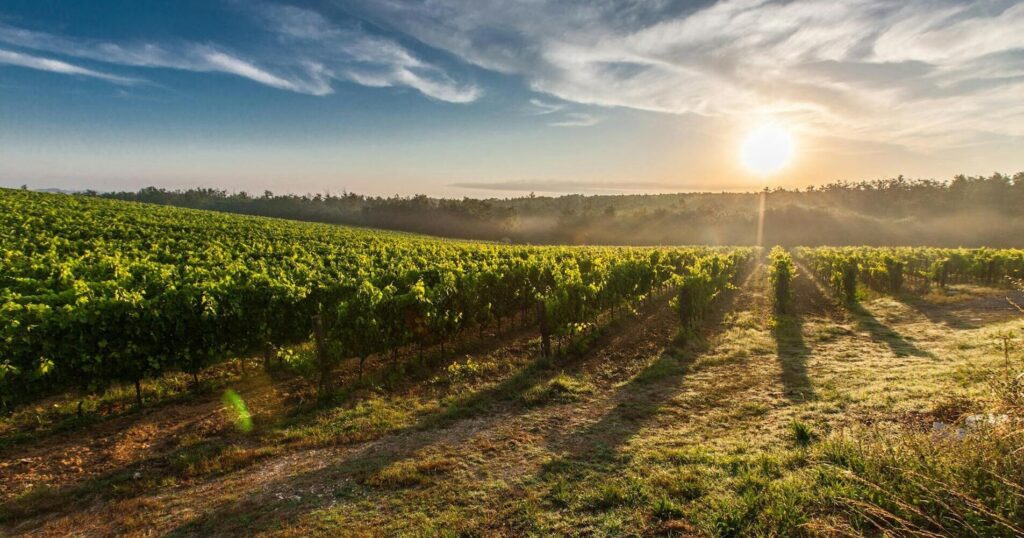
The UNESCO-listed vineyards watch over the characters. Their gentle undulation echoes the duo’s shifting emotions. Geography thus serves as an inner mirror: each turn in the landscape suggests a step forward in their relationship.
An authentic setting for total immersion
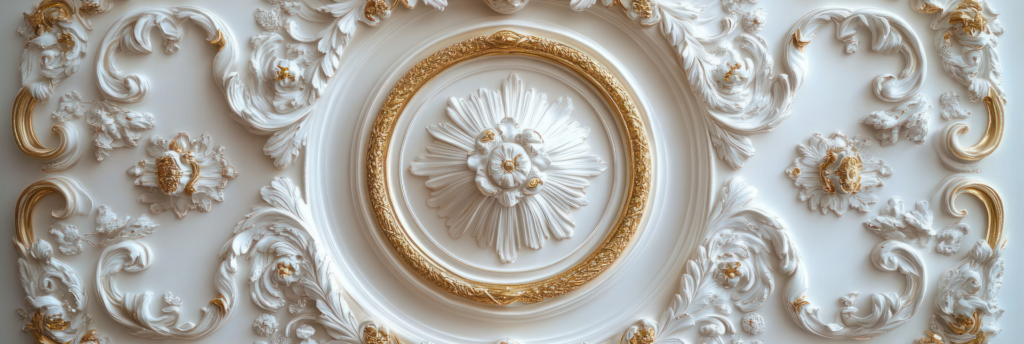
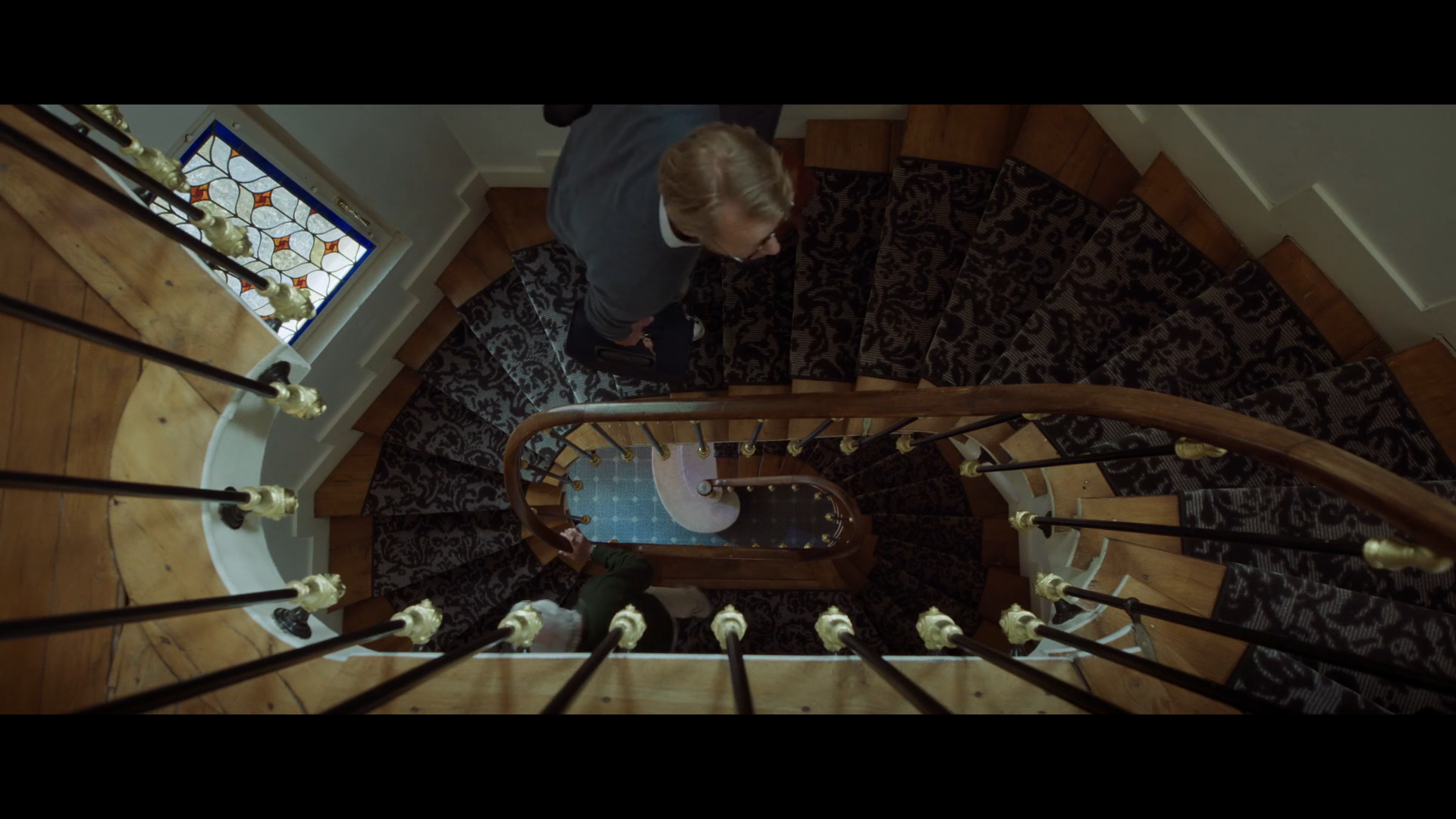
No studio could have offered the same sensory texture. The parquet crackles, the staircase resonates, the stone retains the coolness of spring mornings. The viewer, almost invited in, breathes air laden with floral aromas and hears the distant chirping of birds.
A territory elevated on screen
The cinematography highlights the elegance of the locations without falling into postcard effect. Colours remain natural, and therefore credible. This restraint underscores the local art of living while preserving the authenticity of the narrative. The setting thus asserts itself with subtlety, accompanying the emotion without ever overburdening it.
An exceptional location at the heart of the shoot
A diversity of spaces serving the narrative
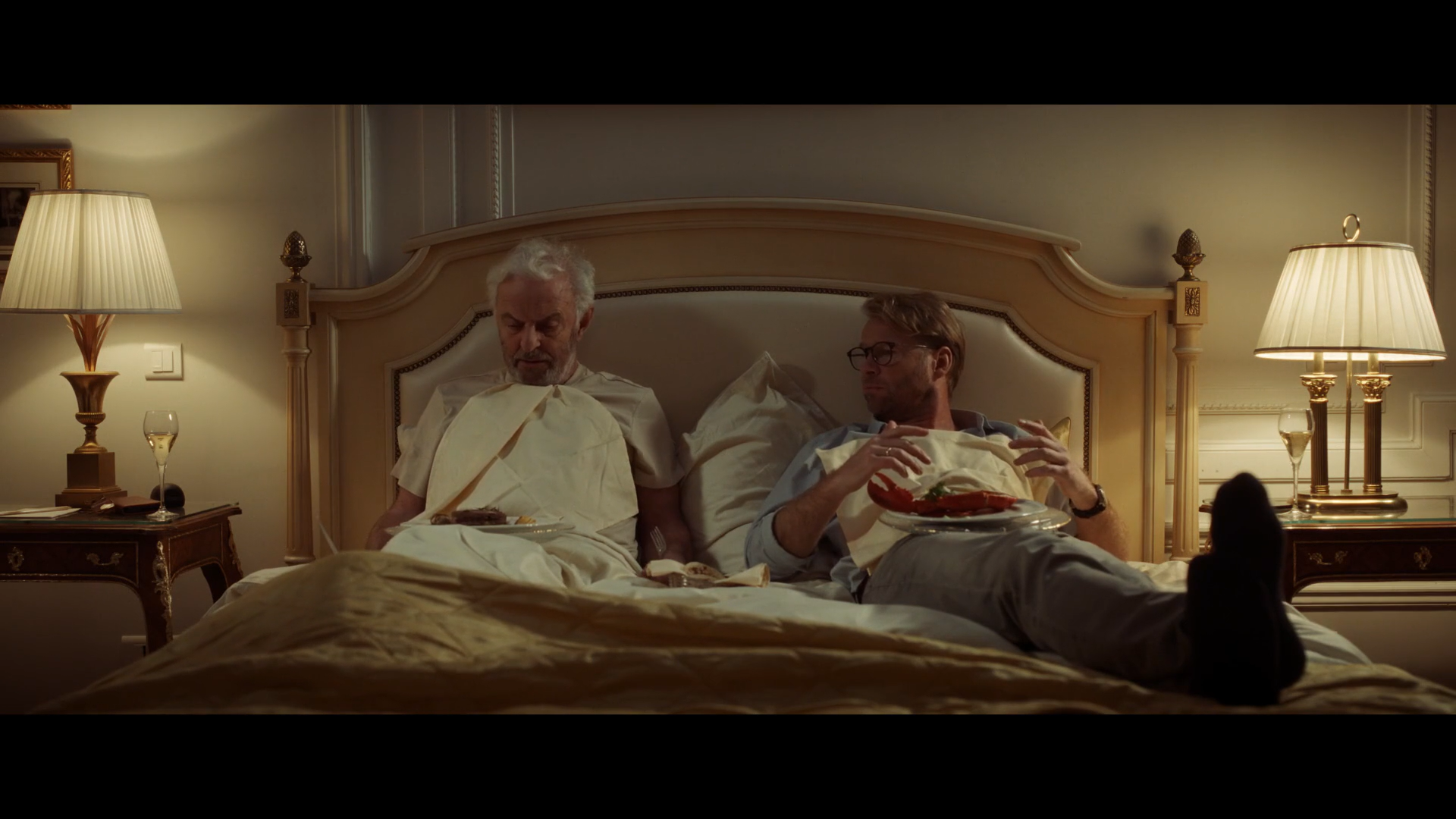
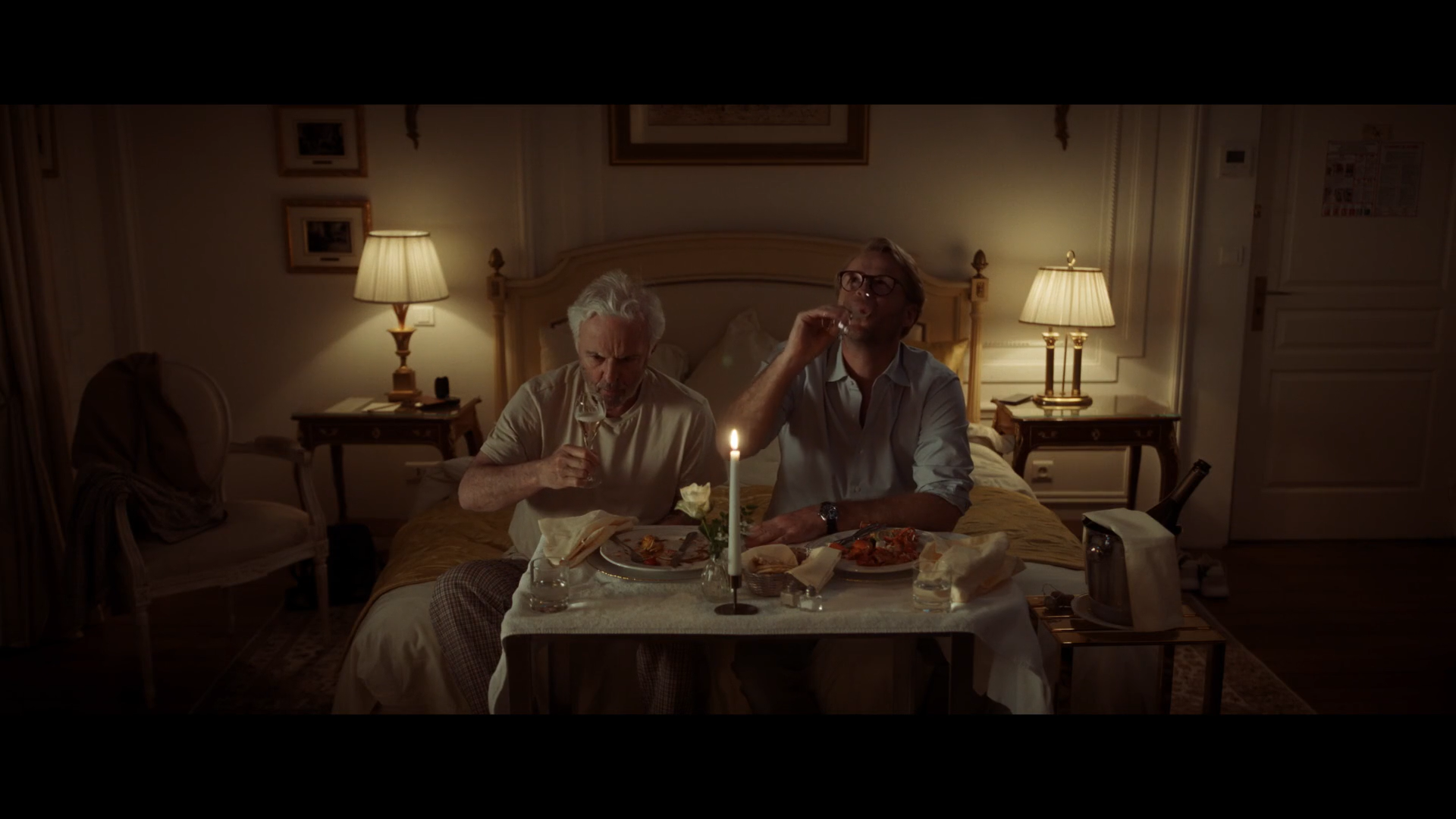
A large part of the filming took place at the Villa Eugène, a hotel on Avenue de Champagne in Épernay, renowned for its elegance and character. The main room, “La Suite”, appears on several occasions, while the reception and corridors structure the visual rhythm. Each space integrates naturally into the narrative and reinforces its coherence.
A direction between intimacy and openness
The direction plays on contrasts of rhythm and atmosphere. Certain sequences favour calm and restraint, while others introduce greater movement. This visual contrast structures the narrative and accompanies emotional variations. The film thus gains depth without multiplying effects.
A strong visual signature
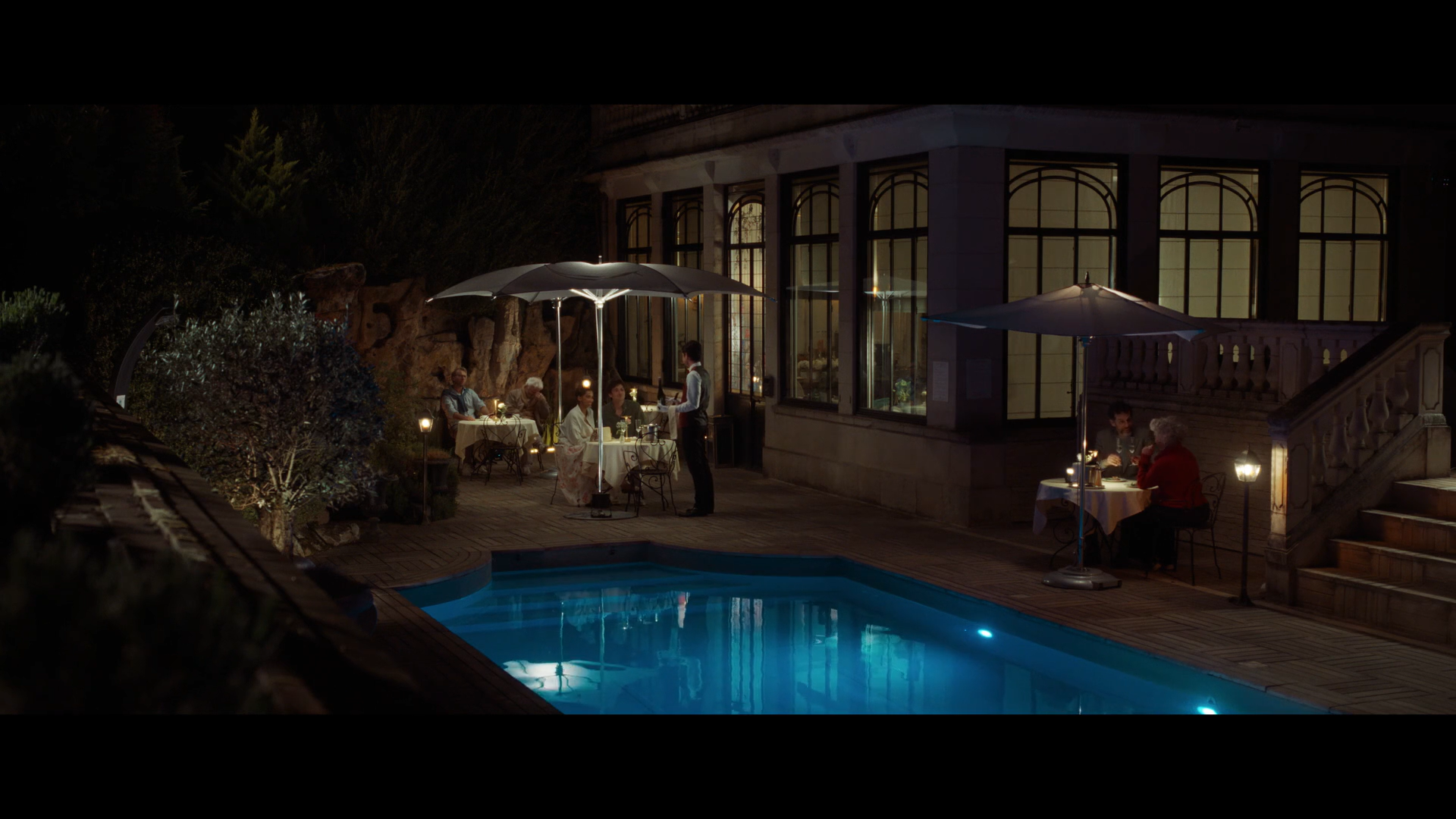
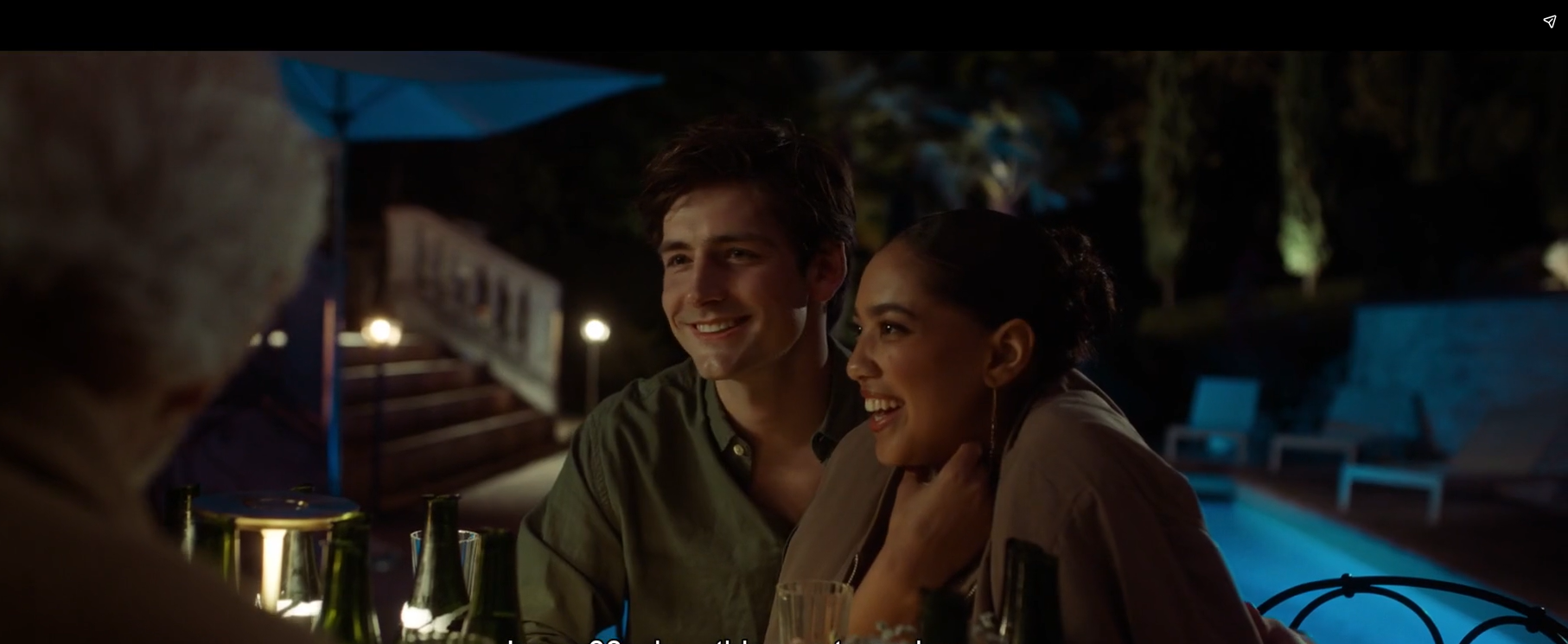
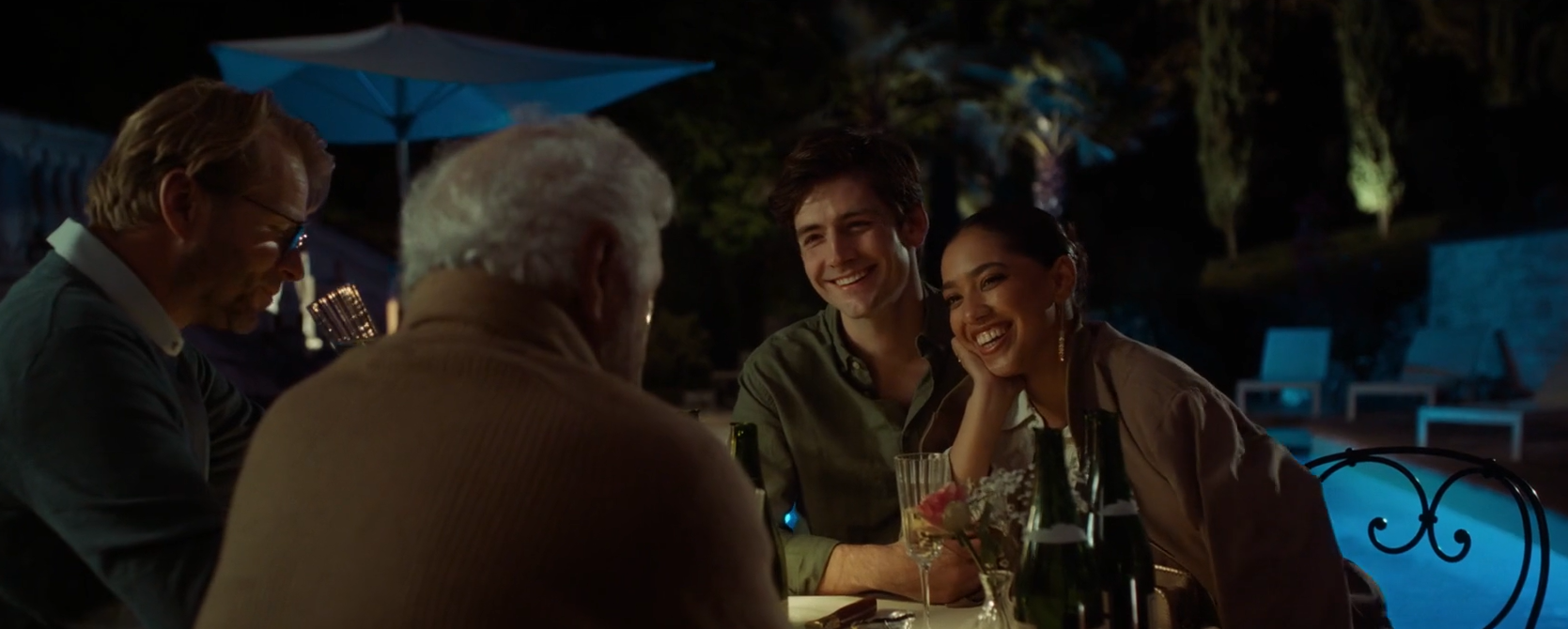
Contrasts between refined interiors and luminous exteriors punctuate the narrative. Close shots capture every nuance of expression, while wider views offer a welcome breathing space. The pool and garden appear intermittently, providing a peaceful interlude. The setting thus underscores the emotion without dominating it.
Settings that accompany the characters’ evolution
Emotion-laden interior spaces
The room “La Suite” appears on screen, as do the establishment’s corridors. These interior spaces feature in several sequences and ensure visual continuity between scenes. Their regular presence helps structure the entire narrative in a fluid and coherent manner, while reinforcing the film’s visual unity.
Living spaces as witnesses to the journey
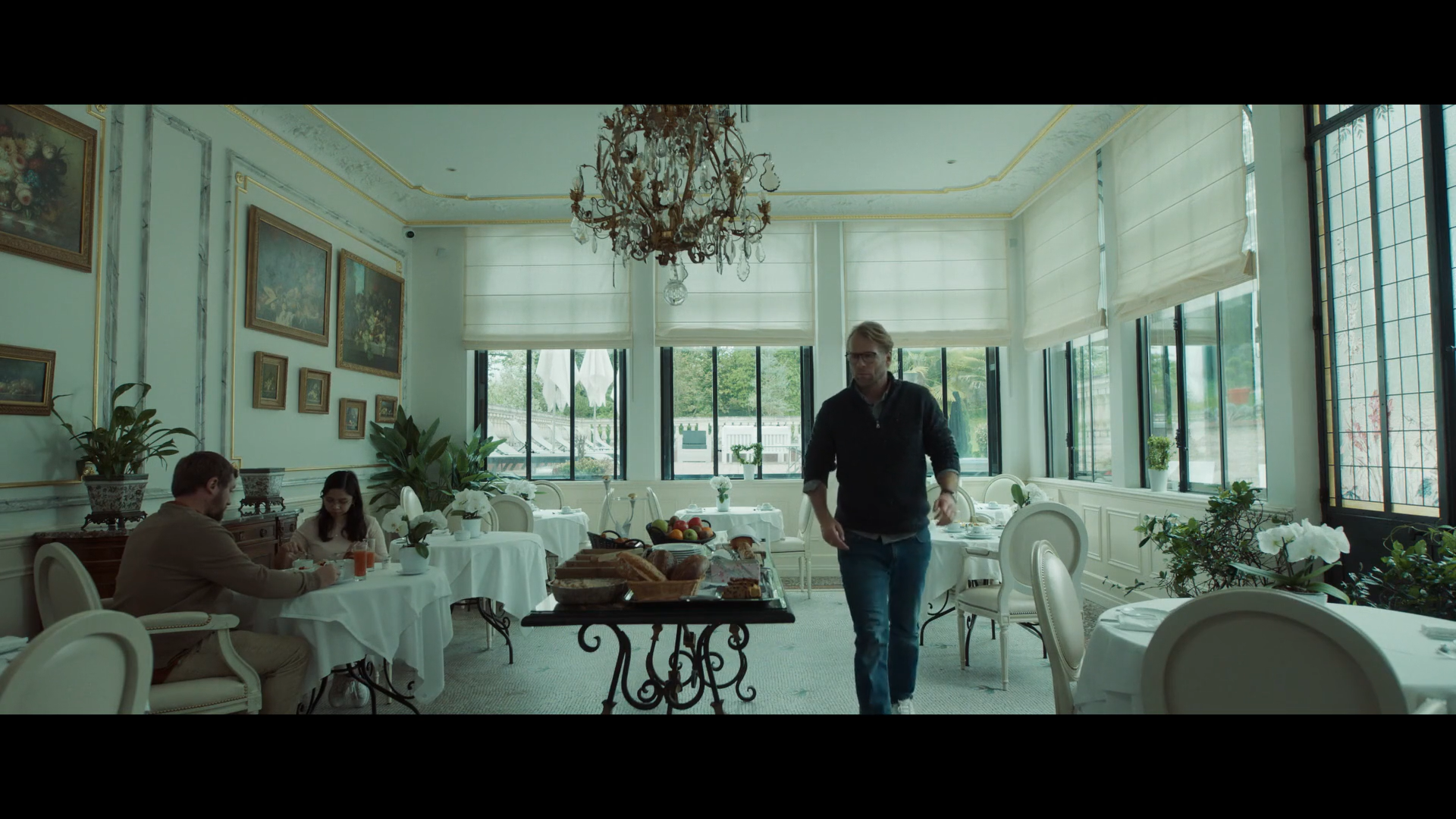
The reception and breakfast room also appear on screen and structure certain passages of the film. These spaces provide visual continuity, while anchoring the narrative in the establishment’s everyday life. They contribute to the overall balance without overloading the storytelling.
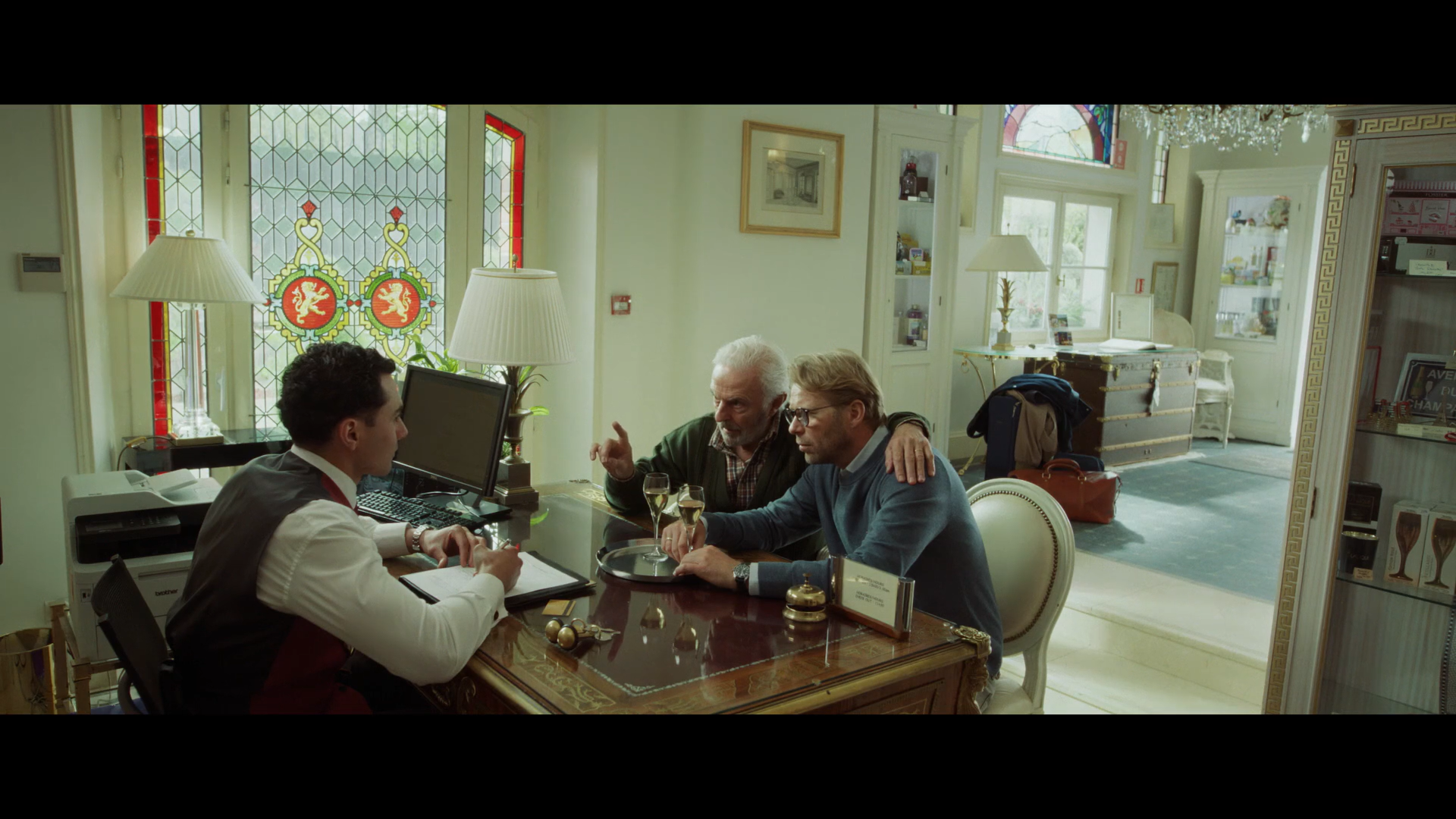
Exteriors as narrative openings
The film also incorporates sequences shot outdoors, notably on the terrace, in the park, and around the pool. These open-air spaces bring visual variation and complement the interior scenes. This opening to the outside introduces a new rhythm to the film and naturally links the different settings.
An invitation to discover Champagne differently
Champagne highlights the importance of place in the construction of the narrative. The film relies on real settings, which strengthens the story’s grounding and gives it a tangible dimension. The relationship between Maarten and his father thus evolves within an identifiable environment, where each space contributes to establishing a singular atmosphere.
The Villa Eugène, chosen to host a large part of the filming, embodies this strong presence of place on screen. Its architecture, its volumes, and its various spaces provide a framework that is both structuring and inspiring. The film thus invites a renewed perspective on Champagne, not only as a territory, but also as an experience to be lived.
Similar items
Why choose a Luxury Hotel over an Airbnb?
Visiting the Avenue de Champagne: What to See and Do